Use of Foundry Gilsonite in Metal Casting
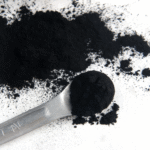
Foundry Gilsonite is a specialized form of Gilsonite, a natural asphalt product, that is used in the foundry industry as a carbonaceous additive. It is known for its unique properties that enhance the performance of foundry molds and cores. Let’s explore the features, benefits, and applications of Foundry Gilsonite.
What Is Foundry Grade Gilsonite?
Foundry Gilsonite is a highly pure, low-ash, high-carbon form of natural bitumen. When used in molding applications, it decomposes under high temperatures, releasing gases that create a reducing atmosphere, preventing oxidation and enhancing metal casting quality.
It is used as:
A carbon additive in molding sand
A binder and strength enhancer in core and shell molds
A surface defect reducer in iron and steel casting
Benefits of Using Gilsonite in Foundries
Key Advantages
✅ Improved Surface Finish – Reduces roughness, scabbing, and veining
✅ Lower Casting Defects – Minimizes blowholes, gas-related issues, and metal penetration
✅ Enhanced Mold Collapsibility – Eases shakeout and reduces damage to castings
✅ Boosted Graphite Formation – Provides fixed carbon to improve ductile iron casting
✅ Eco-Friendly Alternative – Replaces synthetic additives with a natural, low-emission option
Properties That Make Gilsonite Ideal for Casting
| Property | Benefit in Foundry Use |
|---|---|
| High Volatile Content | Releases protective gases during metal pour |
| High Fixed Carbon | Enhances metallurgical carbon pickup |
| Low Ash Residue | Reduces mold contamination and slag formation |
| Clean Thermal Breakdown | Improves mold collapsibility and reduces hard shakeout |
| Fine Particle Size | Ensures even mixing with sand and other binders |
| Natural Resin Composition | Acts as an effective, eco-safe binder |
Improved Mold and Core Strength:
When Foundry Gilsonite is added to sand molds and cores, it enhances their strength and durability. It acts as a binder, improving the cohesion and adhesion of the sand particles. This results in stronger molds and cores that can withstand the stresses and pressures encountered during the casting process. The increased strength helps in achieving accurate and precise casting dimensions.
Increased Resistance to Thermal Shock:
Foundry Gilsonite provides excellent resistance to thermal shock. It helps the mold or core to withstand rapid temperature changes without cracking or breaking. This is particularly important in foundry operations where molten metal is poured into the mold at high temperatures. The enhanced resistance to thermal shock ensures that the mold or core maintains its integrity and shape throughout the casting process.
Reduced Gas and Moisture Penetration:
Foundry Gilsonite acts as a barrier against the penetration of gases and moisture into the mold or core. It forms a protective layer that seals the surface, preventing the escape of volatile compounds and the absorption of moisture. This helps to minimize the formation of defects such as gas porosity and shrinkage in the castings. The reduced gas and moisture penetration contribute to improved casting quality and reduced scrap rates.
Excellent Flowability:
Foundry Gilsonite improves the flowability of the molding sand. It reduces the friction between the sand particles, allowing for better mold filling and smoother surface finish on the castings. The improved flowability helps in achieving intricate and complex casting shapes with minimal defects. It also facilitates the easy removal of the pattern from the mold after casting.
Versatile Applications:
Foundry Gilsonite is primarily used in the production of sand molds and cores for various metal casting processes. It can be used in both green sand and resin sand systems. Foundry Gilsonite is compatible with different types of sand, binders, and additives, making it a versatile choice for foundry operations. It is commonly used in industries such as automotive, aerospace, and general engineering.
Environmentally Friendly:
Foundry Gilsonite is a natural product derived from the earth, making it an environmentally friendly choice for foundry applications. It is free from harmful chemicals and additives, reducing the environmental impact of the casting process. Additionally, the use of Gilsonite in foundry molds and cores can contribute to improved casting quality, reducing the need for rework and minimizing waste generation.
Applications of Gilsonite in the Foundry Industry
1. Green Sand Molding
Gilsonite is commonly blended into green sand mixtures to:
Enhance surface quality of gray and ductile iron castings
Minimize metal penetration and veining
Improve sand flowability and reduce gas defects
2. Core & Shell Mold Production
When added to shell molding compounds or cores:
Gilsonite improves gas permeability and core integrity
Ensures easy shakeout and clean separation after casting
3. As a Carbon Additive in Iron Foundries
Used as a supplementary carbon source to:
Increase carbon recovery in ductile/gray iron
Promote graphite nodules in ductile iron
Reduce metal oxidation
Frequently Asked Questions (FAQ)
What does Gilsonite do in foundry sand?
It acts as a carbonaceous additive that improves the casting surface, reduces oxidation, and enhances collapsibility.
How much Gilsonite is added to molding sand?
Typically, 2–10% by weight, depending on metal type and mold design.
Is Gilsonite suitable for steel and iron casting?
Yes, especially effective for gray iron, ductile iron, and some steel alloys.
Does Gilsonite replace synthetic binders?
In many cases, yes. Gilsonite offers a natural, cost-effective and environmentally friendlier alternative.
Industries That Use Foundry Gilsonite
🚗 Automotive Parts – Brake components, engine blocks
🏗 Structural Iron – Manhole covers, municipal castings
🛠 Tools & Hardware – Pipe fittings, valve bodies
⚙️ Heavy Equipment – Industrial machinery castings
Conclusion: Foundry Gilsonite Is a Smart Choice for Quality Casting
Foundry Grade Gilsonite has proven to be a reliable, efficient, and eco-friendly solution for improving metal casting results. Its high carbon content, low ash levels, and excellent thermal properties make it ideal for both green sand and core applications.
By enhancing surface finish, reducing casting defects, and improving mold performance, Gilsonite helps foundries produce higher quality castings with fewer rejections. Whether you’re casting gray iron, ductile iron, or steel, incorporating Gilsonite can boost both product performance and operational efficiency.
If your foundry is looking to optimize performance while reducing reliance on synthetic materials, Gilsonite is a proven, natural solution worth considering.
Gilsonite for foundry applications
Foundry grade Gilsonite benefits
Gilsonite green sand additive
Gilsonite improves mold performance
Natural casting carbon additive
🛒 Ready to Source High-Quality Foundry Gilsonite?
We provide:
✔️ Premium Foundry Grade Gilsonite (powder or granule)
✔️ Custom formulations and packaging
✔️ TDS, SDS, and technical guidance
✔️ Fast global delivery
For more information or to place an order, please contact PUB-Ltd sales team @ Contact Us. PUB-Ltd as your Foundry Grade Gilsonite Supplier. Our Expert will be in touch with you to guide you about the Use of Gilsonite, that can be produced according to your project requirements.